
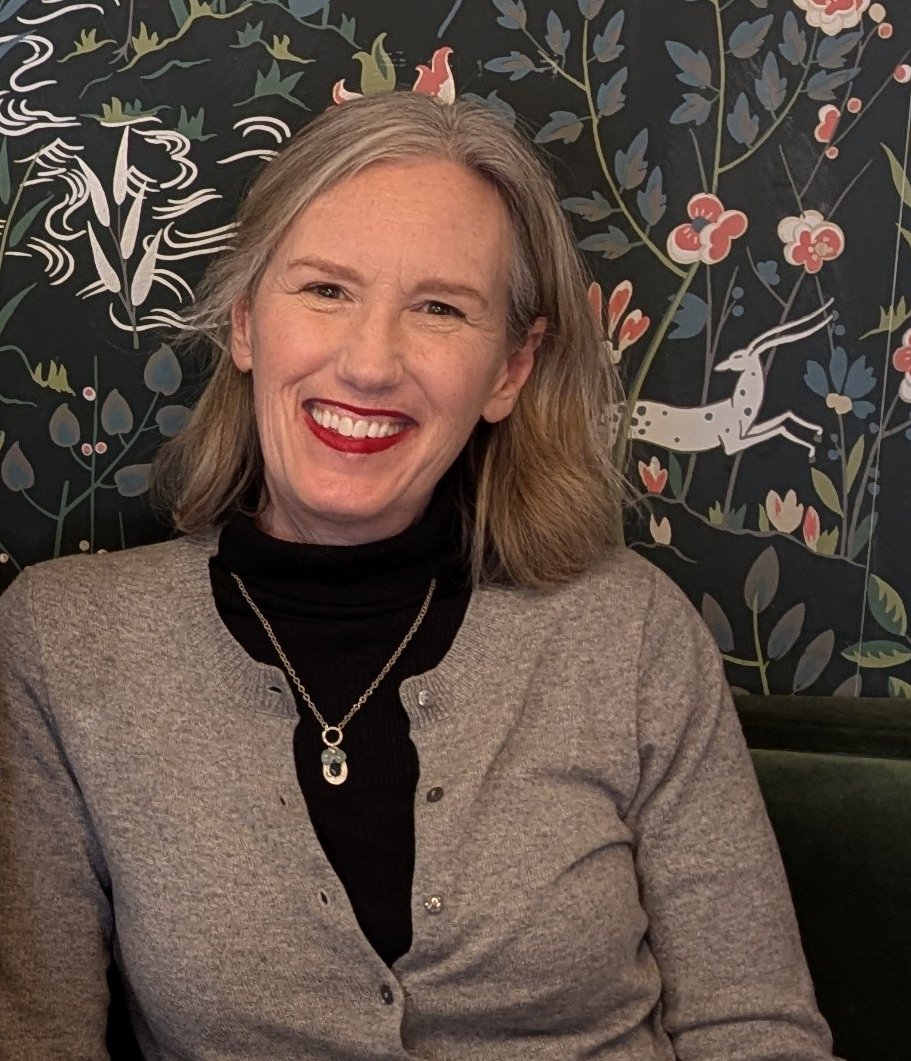
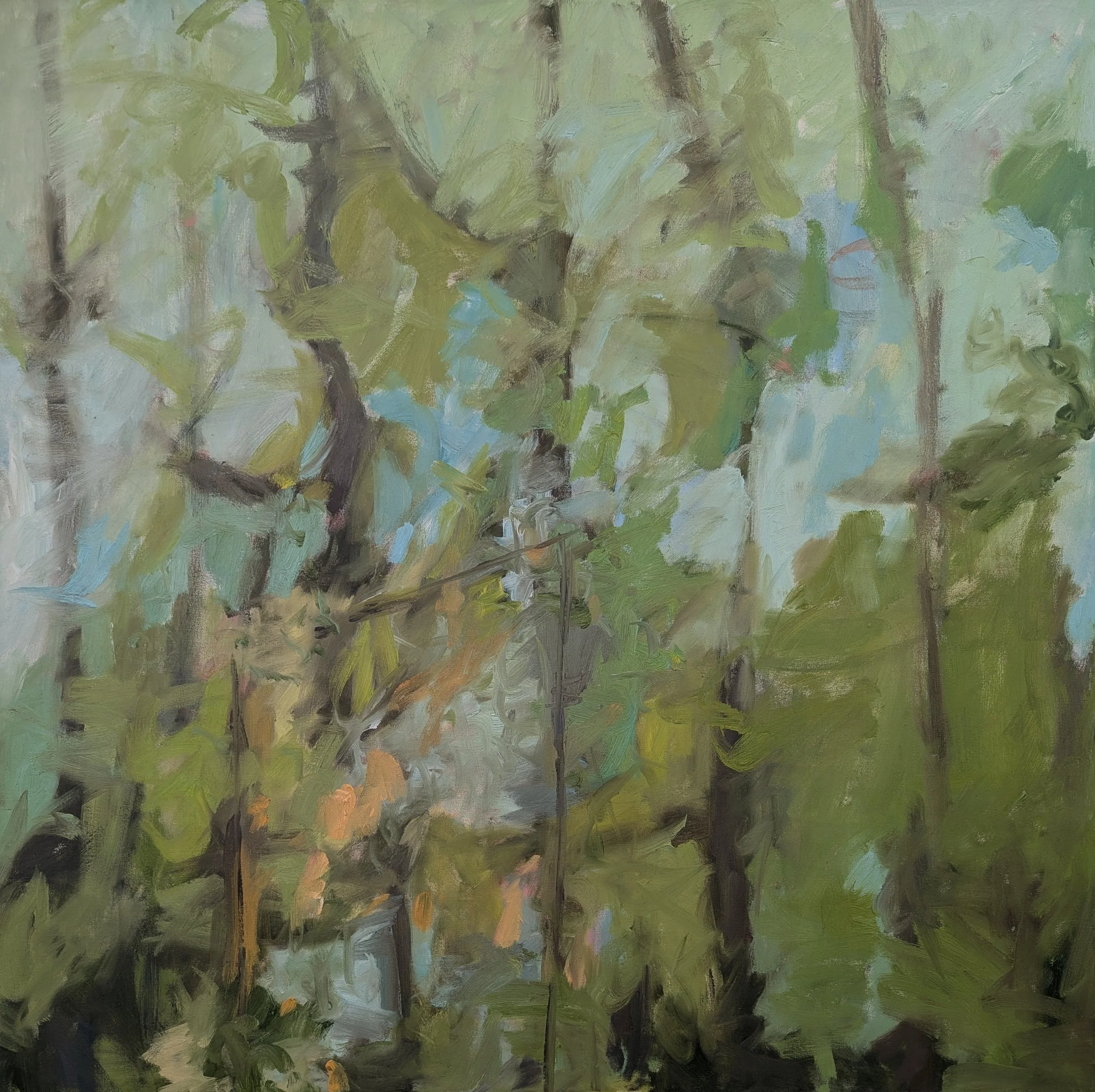
Jennifer Esser
“Art is fundamentally a reflection of an artist’s inner and outer world at the moment of its creation. For nearly fifty years, my father’s 120 acres of sylvan paradise have been a refuge and source of inspiration. Following his recent death, I find myself navigating the grief of losing my beloved father while tending to the practical realities of settling his estate. Throughout this process, the essence of the forest and his gardens—the security and comfort of his home and land—has remained with me, continuing to inform my work. My recent paintings consider memory as something enduring and evolving, carried forward through place and time.”
Asking an artist to write an artist statement is like asking a poet to describe her verse by painting a picture: vibrant lime green against brilliant violet; tangerine made with hints of quinacridone rose; cadmium red light and sap green with a splash of ultramarine blue to create one of a hundred shades of brown in a winter landscape.
Mentors and friends along the way in the early years—in Bar Harbor and West Palm Beach—living the life. Painting all day, going out all night, surrounded by artists, poets, actors, musicians, dancers. It was a scene; it was the epitome of bohemian life—the stories I could tell. So many friends are gone now. The memories and lessons remain. Pay attention—you might learn something. Slow down the pace of your life so that you notice the little things. Stay pure, but be responsible: pay the bills, take care of your family.
What is the artist’s best-kept secret? I will never tell. How long did it take you to paint that?
Here is what I know: it takes a lifetime of practice and discipline. Formally educated as a landscape architect and self-taught as an artist, my work has always been grounded in the essence of the landscape. My paintings are layers of time and story—the real and the surreal—energy repressed and released as I play with complementary and analogous color, building upon the form beneath. I think art parallels life, so as I reflect on personal experience and absorb world events, I paint as visual metaphor and mental construct: lines and arcs that move and contain at the same time; color to express beauty, truth, love, and memory.
My paintings are energetic, expressive explorations—evocative of nature but not necessarily representative of it. Ultimately, painting requires discipline and practice, so I try to paint more and think less. Often there are no words; fortunately, there is always art.
Formally educated as a landscape architect and self-taught as an artist, Jennifer Esser has been deeply immersed in design and art for nearly four decades. She has participated in exhibitions throughout South Florida, including the National Exhibition of Contemporary American Paintings at the Society of the Four Arts in Palm Beach, the Hortt Competition in Fort Lauderdale, and exhibitions at the Armory Art Center, the Downtown Development Authority, and Mary Woerner Fine Arts in West Palm Beach.
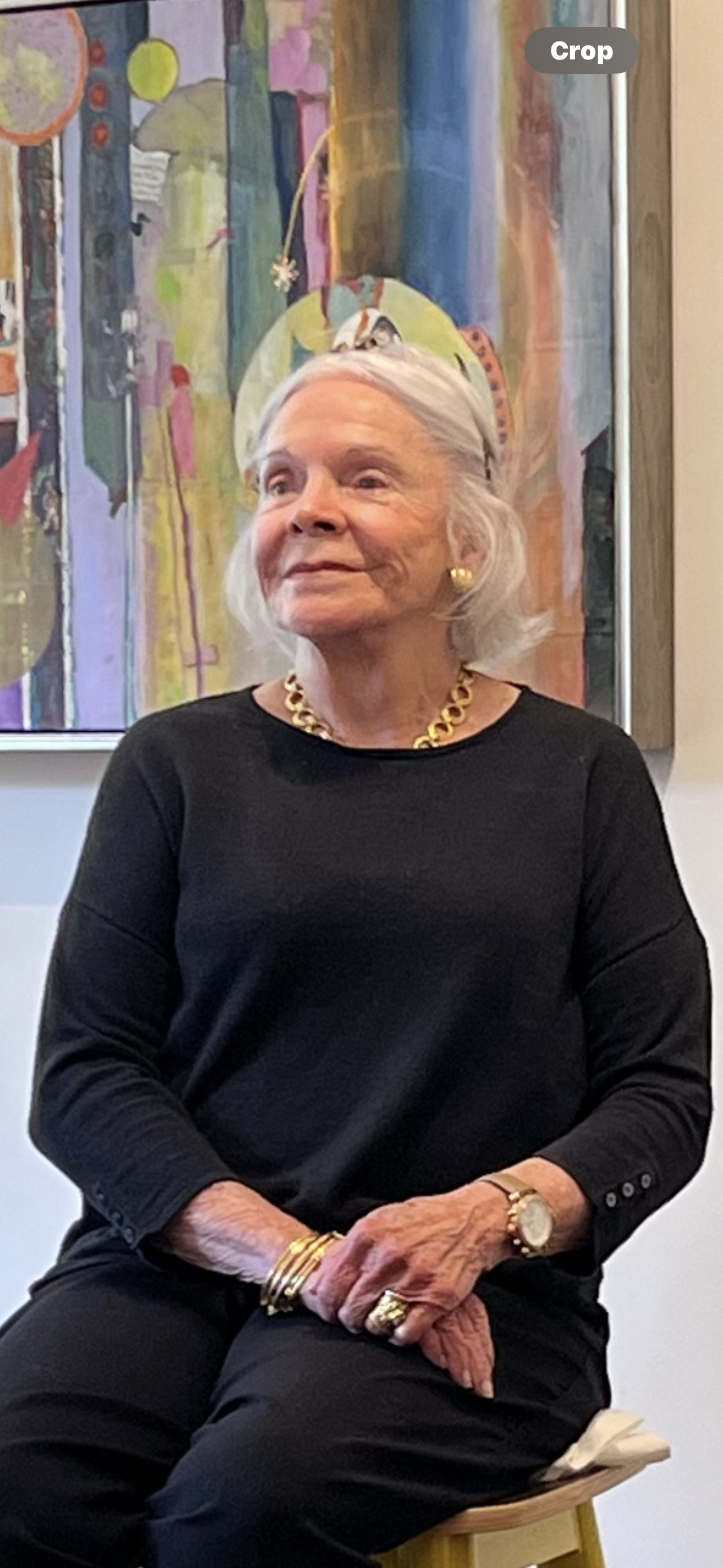
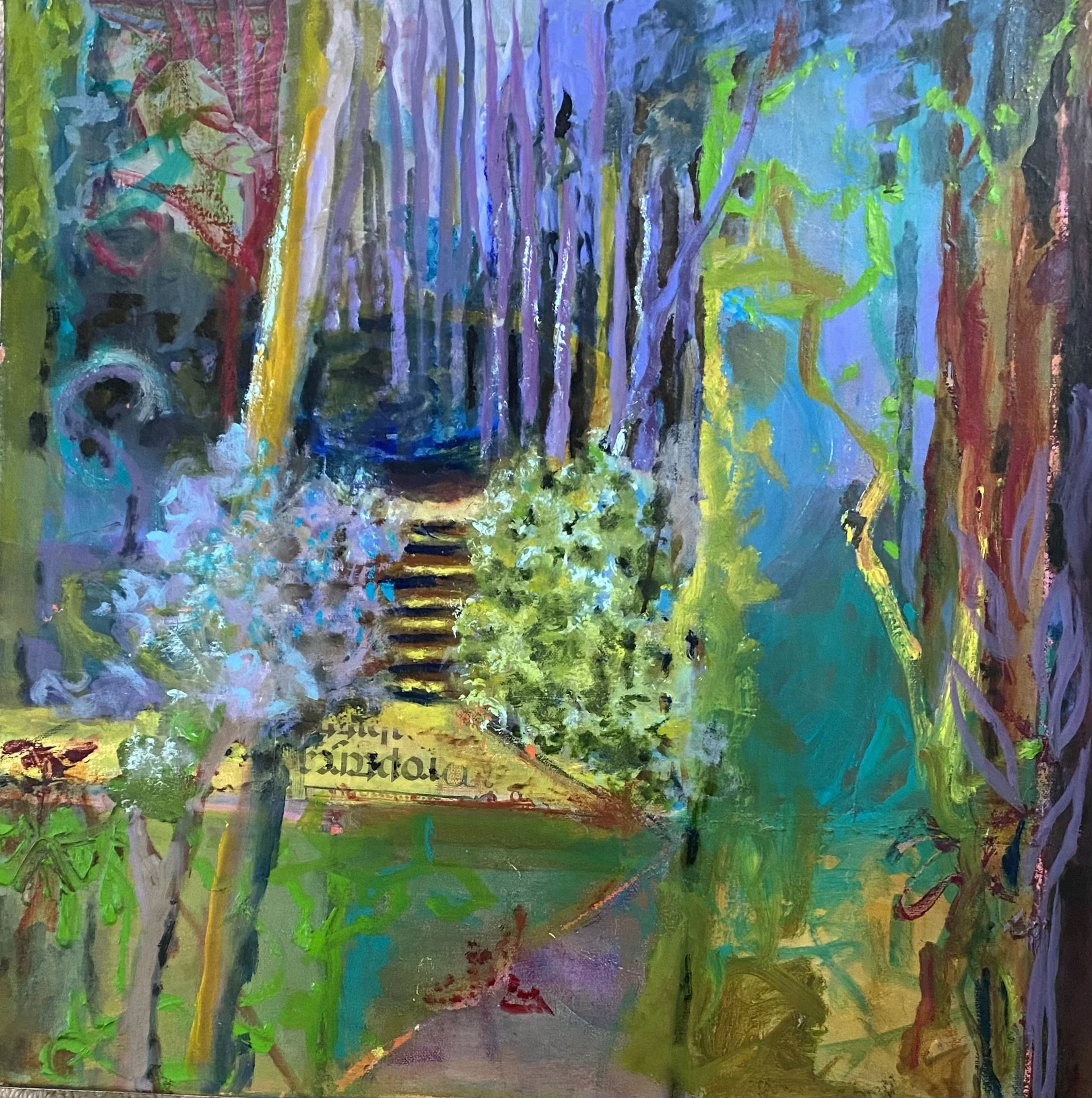
Donna Ernest
Every person has a story to tell. Through her paintings, Donna Ernest tells her own—intuitively and with a deep sensitivity to the unseen threads that connect us. Her work is not rooted in doctrine, but in consciousness: a mindful awareness of the interdependence between people and the natural world, where shape, color, and pattern become a language of connection.
“There is a kind of beauty that only time can make. It doesn’t arrive polished or new, but with edges softened—worn by years of use, of touch, of living.
Weathering is not ruin. It is evidence of presence.
A row of silk ties, tucked away in a drawer and no longer worn, still holds the shape of the man who wore them. Their patterns, once bold—perhaps even fashionable—have quieted with time. But they are not diminished. They have become vessels. They remember. In their stillness, they continue to speak.
To weather is to endure exposure—to light, to loss, to love, to time itself. It leaves its marks on the heart. These marks are often mistaken for diminishment, as though worth is tied to freshness, to perfection, to what has not yet been touched.
The quilt does not apologize for its fraying. The ties do not mourn their stillness. The clothes on the line do not hide their weathering. They exist honestly, shaped by what they have lived through.
There is a quiet grace in that, and that is enough.”
Layering forms and textures, Ernest weaves visual narratives that invite viewers to discover their own stories within her compositions. In this shared space of reflection, her work gestures toward something larger—an underlying unity that binds individual experience into a greater whole.
Based in Charlottesville, Ernest creates contemporary paintings and collages that move fluidly between the visible and the intangible. Her richly textured surfaces and vibrant palettes reflect both an inward journey and an expansive curiosity about the universe. Each piece offers a contemplative experience, encouraging stillness, attention, and a sense of wonder.
With a background in Art History and Fine Arts, Ernest also brings decades of experience as the founder of Donna Ernest Interiors in Jacksonville. Her artistic voice continues to evolve, informed equally by formal training and lived experience.
Her work carries a quiet, meditative resonance shaped by a lifelong spiritual inquiry. Drawing on a deep curiosity about the life of Christ, a belief in angels, and an openness to mystery, Ernest creates art that is at once deeply personal and universally resonant—inviting viewers into a space of reflection, connection, and possibility.
Mary Lamb
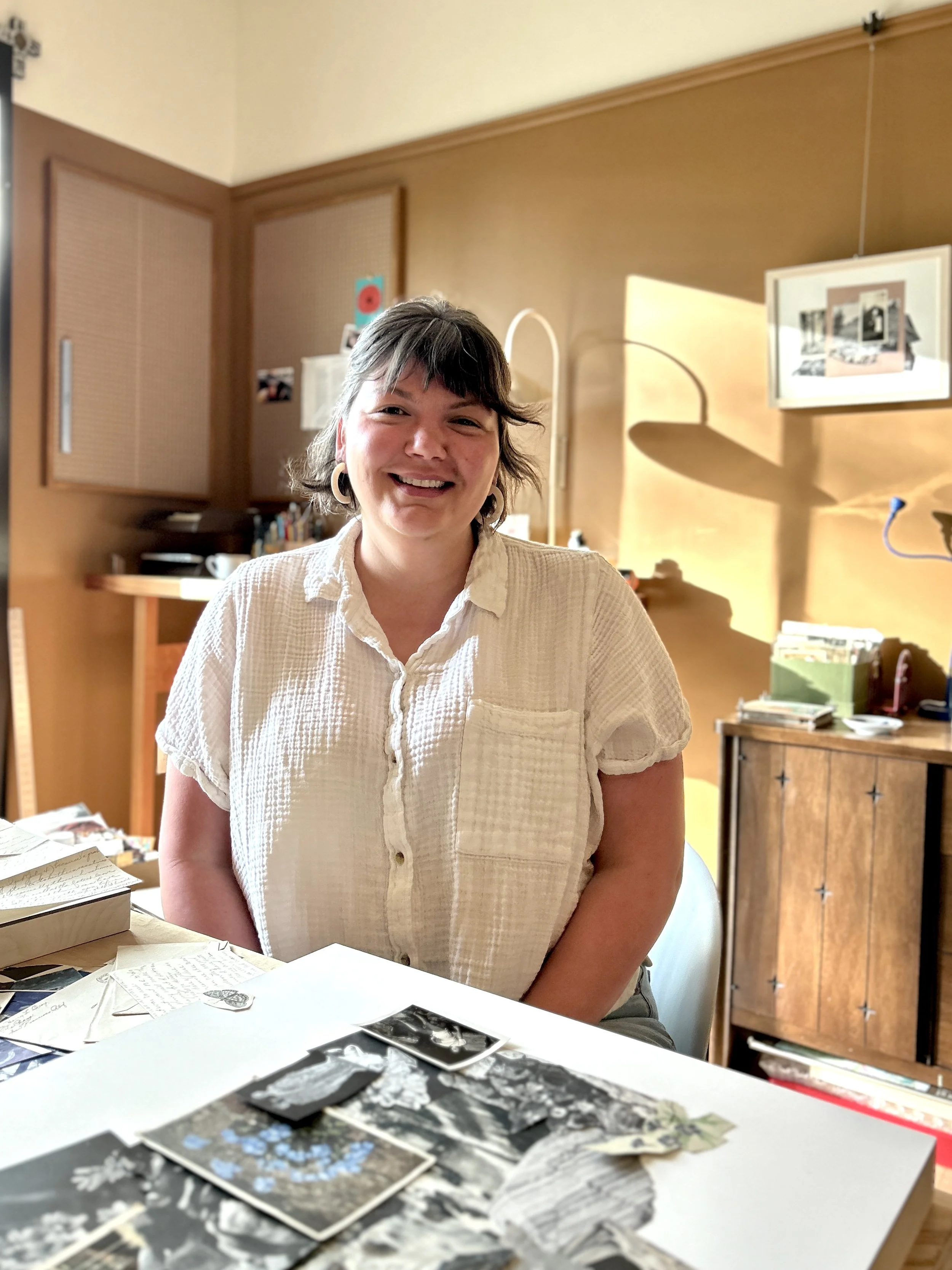
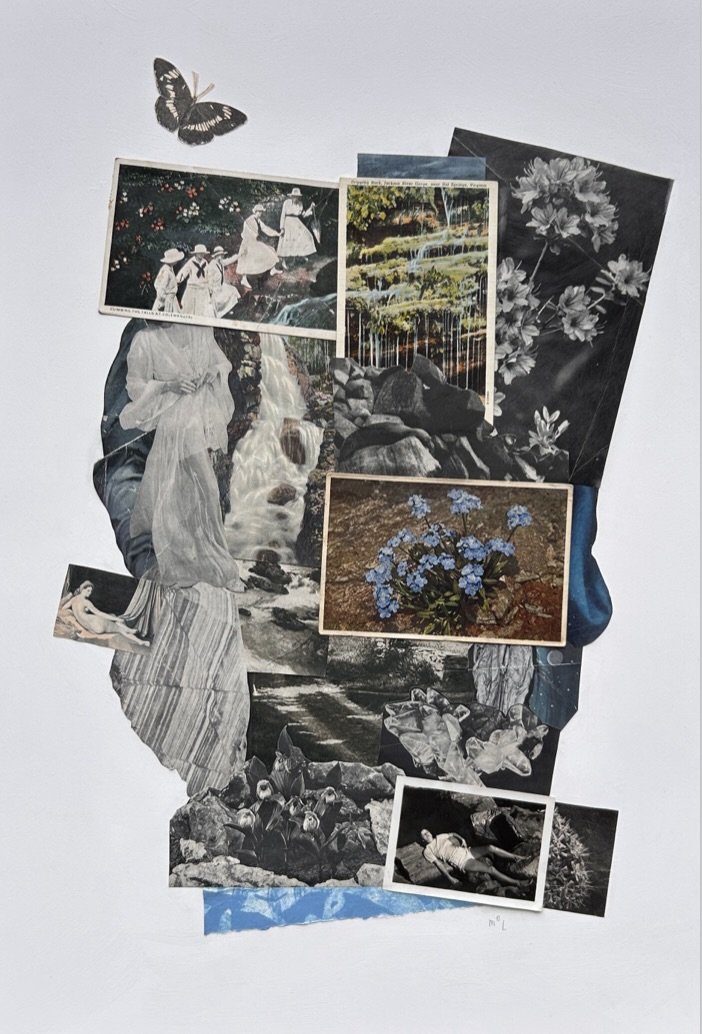
“My collage work engages weathering as both a material condition and a metaphor for how images, bodies, and histories endure over time. Working with archival photographs and paper ephemera, I cut and layer fragments into new visual relationships, forming speculative queer narratives in which absence gives way to intimacy and connection.”
Mary Lamb is a collage artist based in Buckingham County, Virginia. Her work is informed by her training as an archivist and incorporates found photographs, feminine motifs, and the natural textures of paper ephemera.
Her practice centers on reworking archival imagery through a sapphic lens, creating speculative compositions that assert queer presence, pleasure, and beauty. Her work engages the archive not as a static record, but as a site of transformation and possibility.
Through cut-and-paste collage, she dissects historical images of women to construct imagined queer stories and fantasies that challenge heteronormative narratives and reclaim diminished feminine aesthetics as politically and visually powerful.
Lamb holds an MS in Library and Information Science from Simmons University and a BA in Art History from Virginia Commonwealth University. She has exhibited locally at Second Street Gallery, McGuffey Art Center, The Bridge PAI, Welcome Gallery, and Piedmont Virginia Community College.
Suzanne Keith Loechl
“Born in England and raised in Virginia, I carry an early and enduring attachment to landscape—particularly the English countryside, where I like to think part of my heart still resides. I spent thirty years in Champaign, Illinois, before moving to Charlottesville four years ago, drawn by a sense of return and belonging.
I have painted for most of my life and have exhibited professionally for over fifteen years throughout the Midwest, including Chicago and St. Louis, and now on the East Coast. I hold two degrees in landscape architecture, with a minor in art—a background that continues to shape my attention to place, pattern, and time.
Over a decade ago, I began studies at an interspiritual seminary in New York City and was ordained in 2015. My work is deeply shaped by both Eastern and Western religious traditions, as well as my experience as a landscape architect. I now live just outside Charlottesville with my husband, our dog, and my mother.
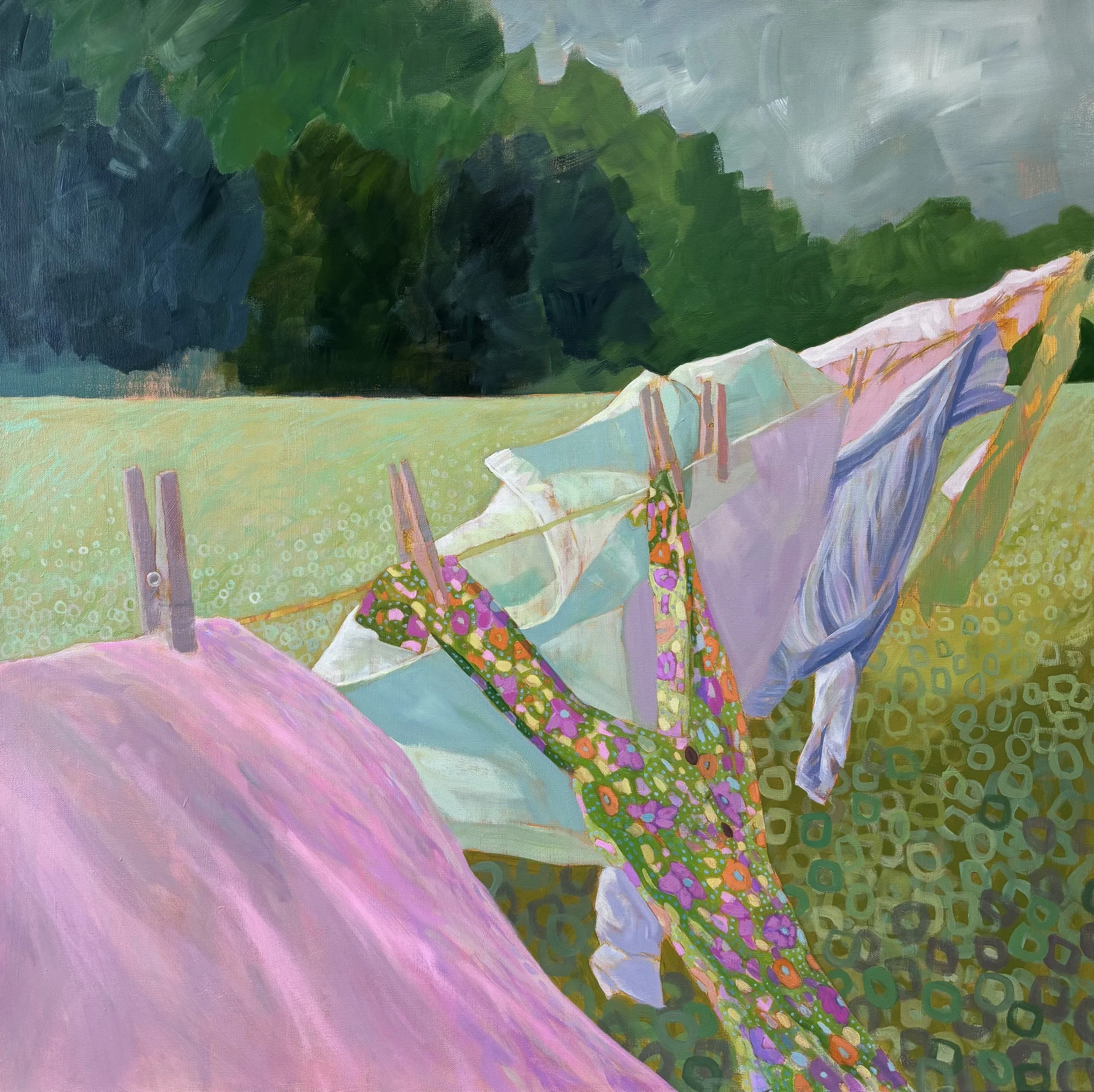
As a painter, I am inspired by pattern, color, and the visual landscapes shaped by people and place. My background in landscape architecture draws me to land-based work and processes that evolve over time. Many years ago, I envisioned hanging a clothesline in a natural setting for a full calendar year—an act rooted in Taoist ideas of alignment and wu wei, or non-forcing. Instead of imposing form, this project invites weather, time, and place to guide its transformation.
Though unrealized for years, the concept endured as a convergence of the spiritual, visual, and physical. Now, over the coming year, the project is finally taking shape. As a painter, my role is to observe, record, and bear witness to this unfolding—to work in harmony with the Tao by allowing change rather than directing it.
For me, the clothesline embodies a quiet tension between stillness and resilience. In this body of work, it serves as a metaphor for the human experience—what we carry, what we reveal, and what we endure in plain sight. Each piece is paired with a title offering words we reach for when we, or someone we know, are weathering something—spoken quietly to ourselves or shared as support or encouragement.”
Phaeton Gallery and the Weathering artists extend their gratitude to Suzanne for conceiving and designing the exhibition, and for her thoughtful encouragement and support as it evolved through its many additions and iterations.
Somé Louis
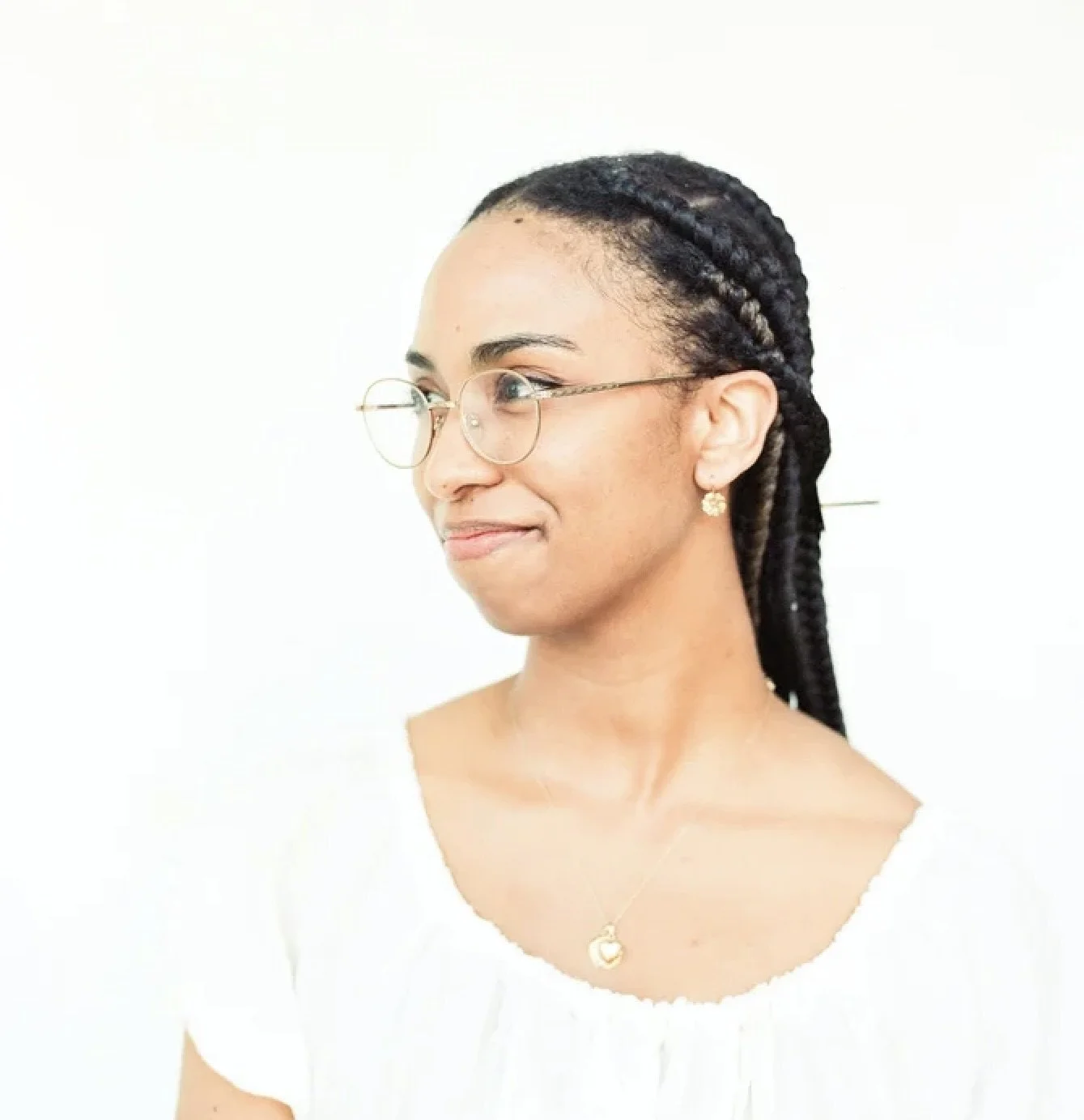
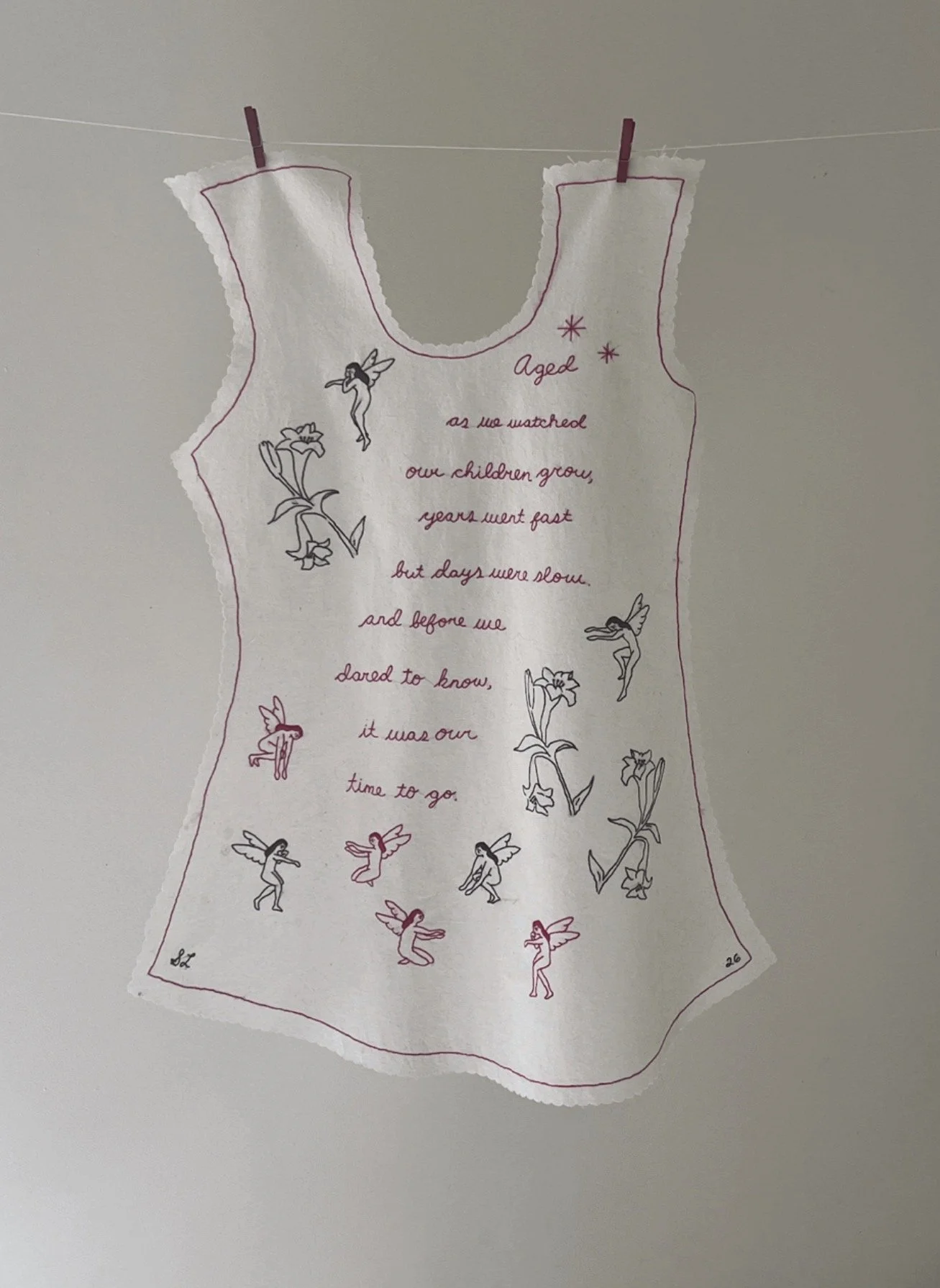
“For Weathering, I have created a series of embroideries meditating on conventions of memory and childhood in our family home in the Caribbean—a former gathering place for immediate and extended family that has since been lost to coastal erosion and, more broadly, to time.
These embroideries feature excerpts from “Aged,” a poem created especially for this body of work by my father, Charlottesville-based poet and writer G. E. Louis. In “Aged,” Louis reflects on memory and the passage of time, both through the lens of home and Caribbean childhood, as well as through observations of place and memory shaped by parenthood.
Through hand embroidery, I find that I can engage with the physical experience of the passage of time: the progress of my work limited by the speed at which I can stitch and the demands of the space around me. In my time with fabric and thread, I allow for the meandering of memories and thoughts, and for the consideration of my own reflections in proximity to those of family and history.
In reflecting on Weathering, it seems that I have been especially interested in weathering through the lens of time—what fades, what remains, and how we seek to engage with these elements, especially those of mundane, personal experience, through memory, objects, and our cherished relationships.”
Somé Louis is a Charlottesville-based conceptual artist exploring themes of memory, home, family, and identity through the gestures and rituals of everyday life, particularly those rooted in childhood and the domestic sphere. Louis works in embroidery, collage, installation, and performance on video. Through these methods, she considers how cherished memories and observations of the mundane shape her sense of identity, as well as how they inform her connection to and understanding of family, ancestors, and history.
Somé holds a BA in Studio Art and Art History from Wellesley College and is an active participant in a number of Charlottesville creative projects. She has completed residencies and exhibitions at New City Arts, Second Street Gallery, and McGuffey Art Center. She is a current member of McGuffey Art Center and maintains an active studio practice.
Krista Townsend
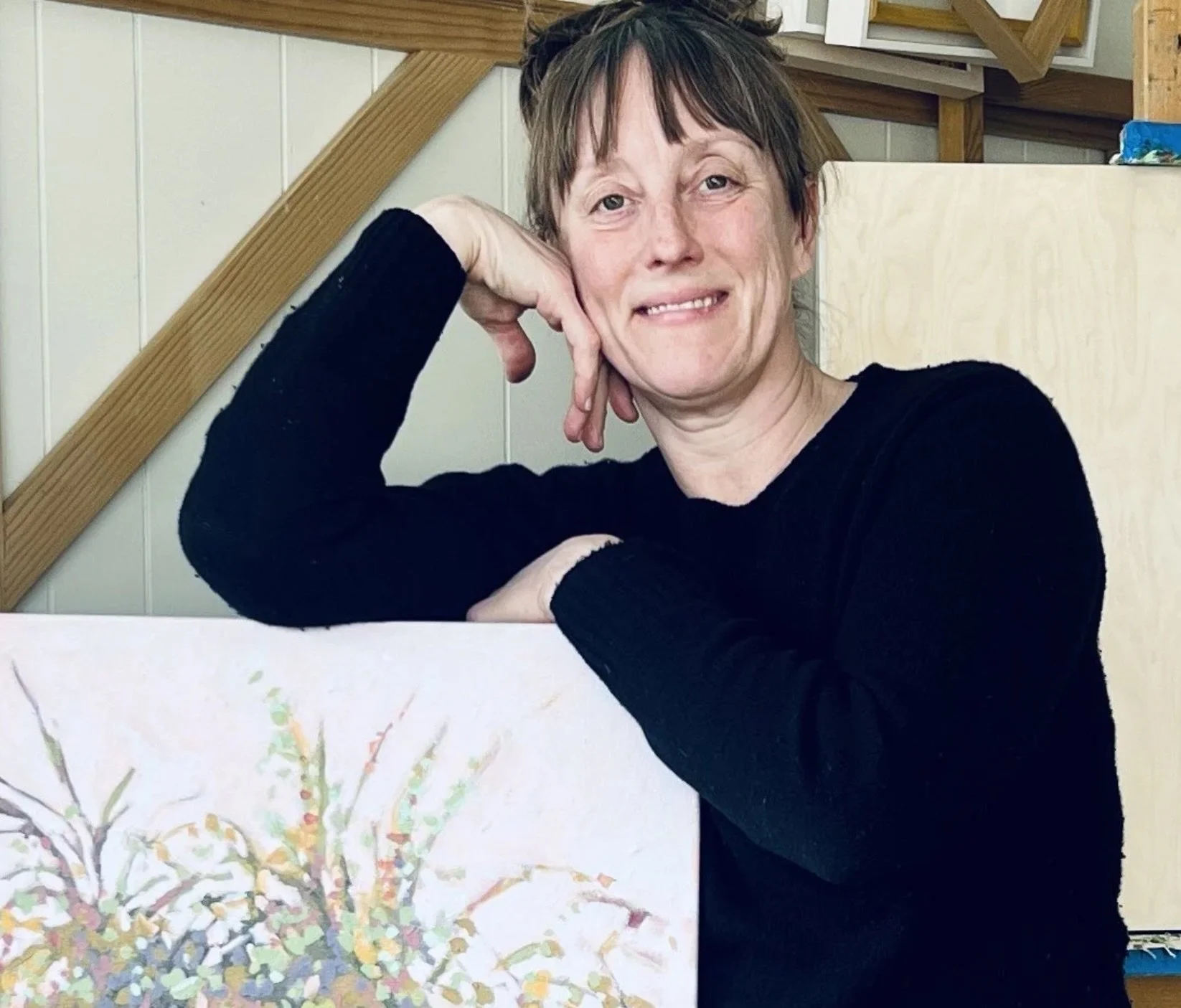
I spend a lot of time wandering the meadows and woods near my home in central Virginia. It’s where my paintings begin. I gather ideas and impressions as I explore, imagining the lives of and among the trees, vines, and grasses. When I return to the studio, I use photo references as compositional resources and as reminders to begin, but very quickly memory and impression take over.
I often focus closely on the plants and ground, zooming in on nature so that she dominates my canvas and demonstrates her power to consume space and prevail. But she also protects and nourishes, and I love considering the symbiotic relationships among plants and animals.
I also contemplate my own relationship with and dependence on nature. It’s a beautifully interconnected web that I try to represent on my canvas. My hope is that my work inspires a similar curiosity and personal response in viewers—to appreciate the magic and mystery of nature and to act on our collective responsibility to protect her.
For me, weathering is about transitions and the natural process of aging and enduring. It’s a hopeful concept because, like plants and other animals, as we age and experience life, we are shaped by it and change as a result. Our natural instincts are to learn and grow from our experiences—not only to protect ourselves, but also to become better, stronger, and more resilient.
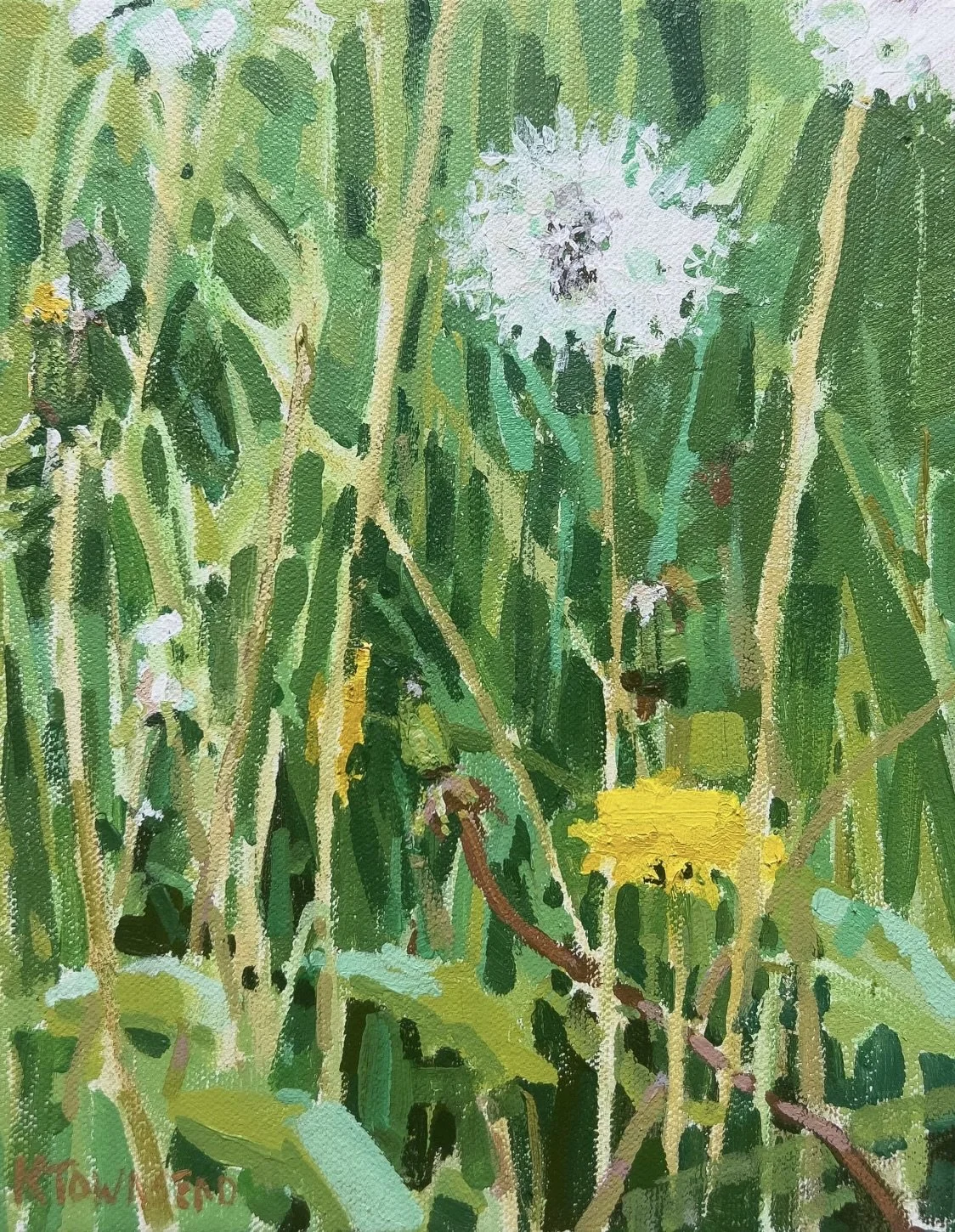
I chose the dandelion to represent the natural transitions of ordinary things. The dandelion is a hardy, tenacious plant that appears everywhere in the spring and summer in central Virginia. It’s so ordinary that many consider it a weed, popping up in cracks in the sidewalk, along the shoulder of the road, or in a front yard. But if you take the time to notice, you can often see all the phases of the dandelion within a single plant as it grows, changes, and regenerates.
There is beauty in all of these phases, and what I love most is that the most weathered form of the dandelion appears just after it has released its seeds, making way for the next plant. —Krista
Sarah Trundle
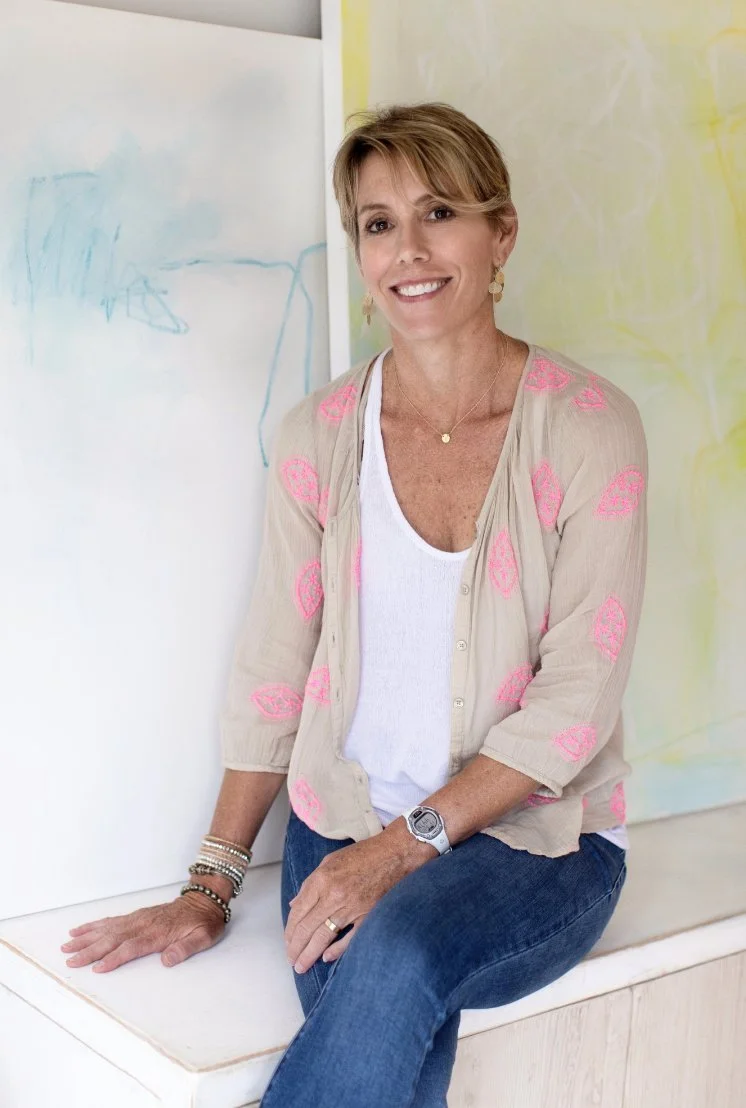
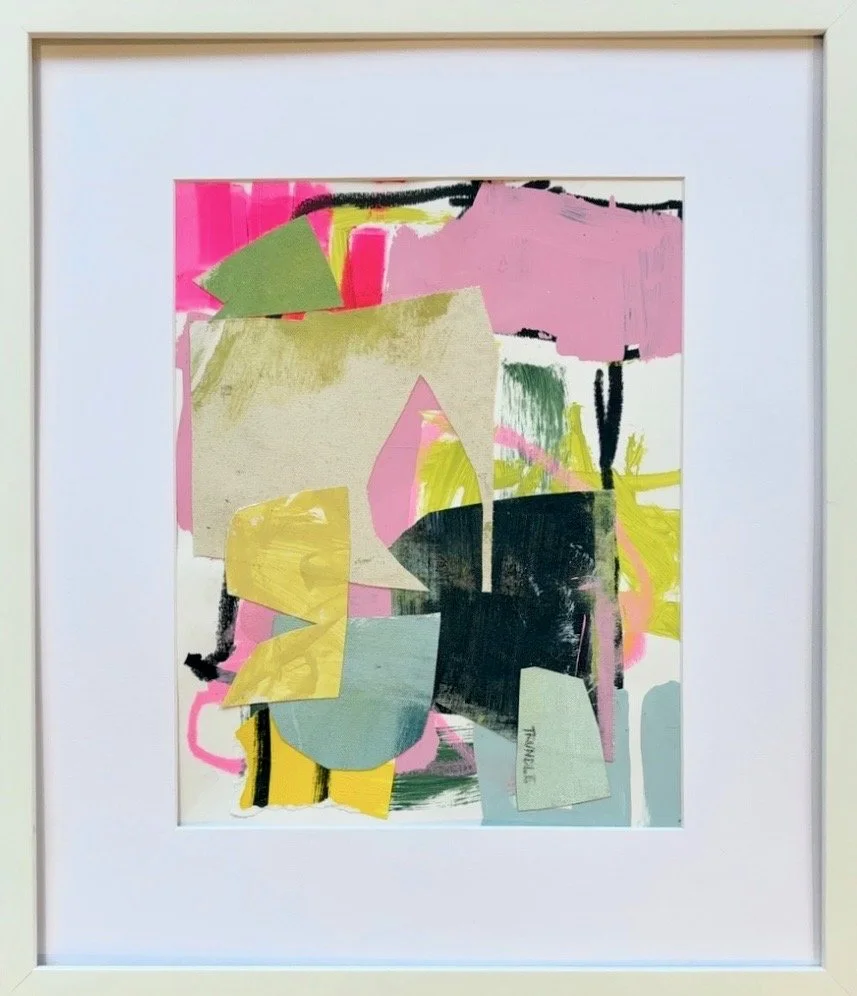
Sarah Trundle is a Charlottesville, Va., painter whose work ranges from bold, geometric, brightly colored abstractions to serene, monochromatic minimalist compositions. Each painting represents a unique end result of a constantly shifting process of obscuring and defining, of complicating and simplifying, and of using the surprises that emerge to inform each subsequent step.
Sarah sees this push-pull process as an integral part of the finished painting. She strives to give the viewer a window into this struggle by leaving early marks, shifted shapes, and underlayers visible.
She has been represented by several galleries nationwide and is honored to have her work in numerous private and public collections internationally.
Sarah holds a bachelor’s degree in psychology from Dartmouth College and a Master’s degree in Social Work from Virginia Commonwealth University. She began her career as a full-time artist after working for many years as a mental health therapist, during which time she continued to pursue art.
“We weather, and are weathered. It’s both a verb and an adjective. Like it or not, we endure, and the results of that endurance transform us into different people with each passing moment and circumstance. The same process applies to my art: each piece emerges from a patient process of constant change and flux, as I wait in anticipation of what the future holds—and what surprises lie in store around the next brushstroke.”
Lindsey Luna Tucker
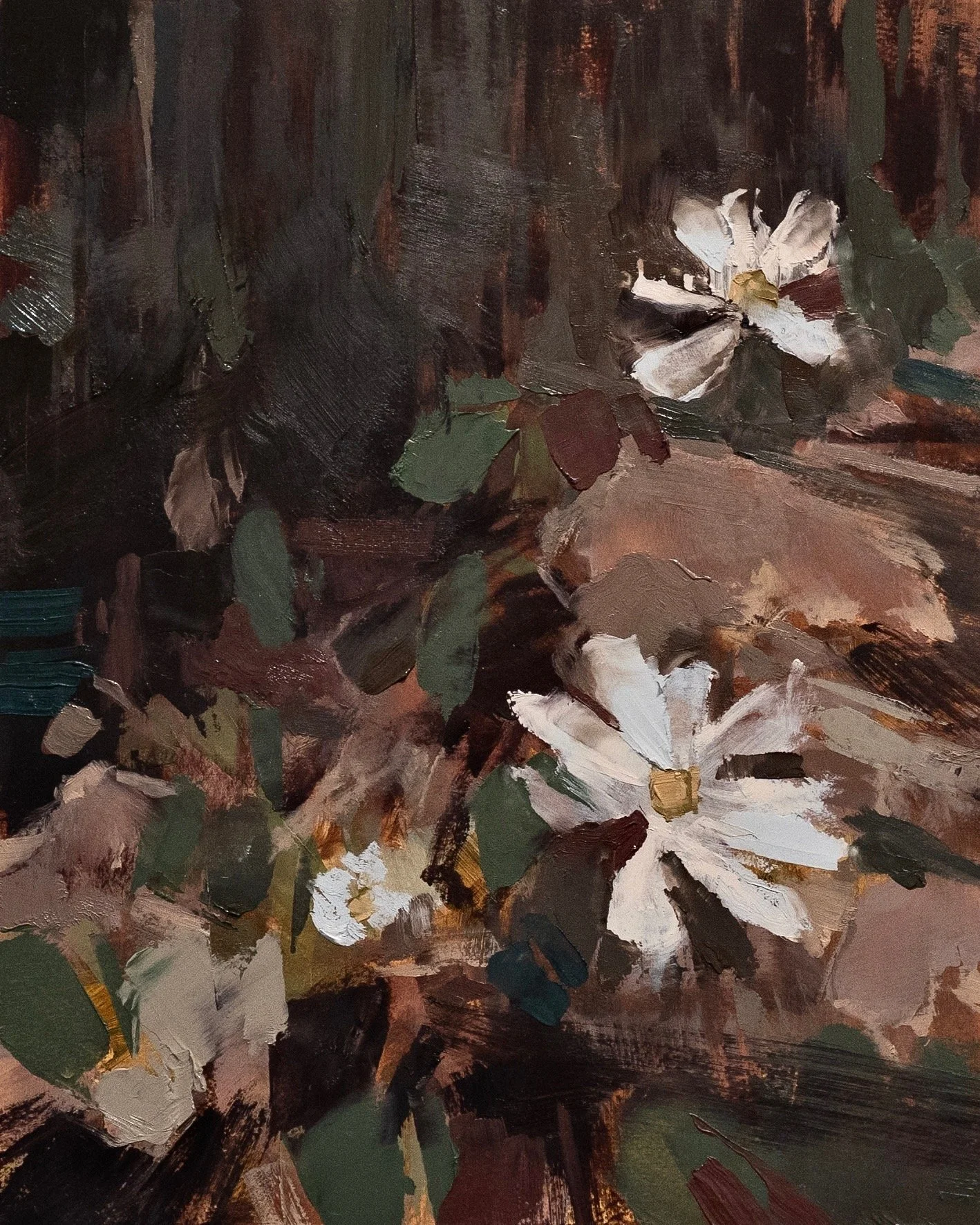
“My work is deeply rooted in a visual awareness of the physical world, but it is rarely made directly from life. I use the subject of landscape as a point of departure rather than one of arrival. Each painting begins with inspiration collected from sketches, photographs, sentiments, memories, or emotional experiences. Visual references may be used in the initial stages of the painting process but are eventually set aside to allow the work to evolve on its own, without a mandated conclusion.
Paintings may be reminiscent of a specific place; however, through an exaggeration of gesture and the manipulation of color and space, my artwork favors the emotional experience of the painting over visual realism. My paintings invite viewers to explore our human tendency to name and seek certainty in everything. We want to know we are right. We want to know we are going to be okay. We want resolution, absolutes, security. Within all the uncertainty cast upon us lies the very nature and beauty of life itself.
As I considered the theme of weathering, I thought about its near-endless manifestations throughout nature. Each transformation requires a certain amount of vulnerability, patience, and time. And yet, how seldom we stop to consider how long it took for a specific landscape to appear as it does: the shape of a coastline, the sides of a canyon, valleys carved into the land, the growth within a forest. If we pay attention, weathering reveals an act of acceptance and a beauty in the power of remaining.”
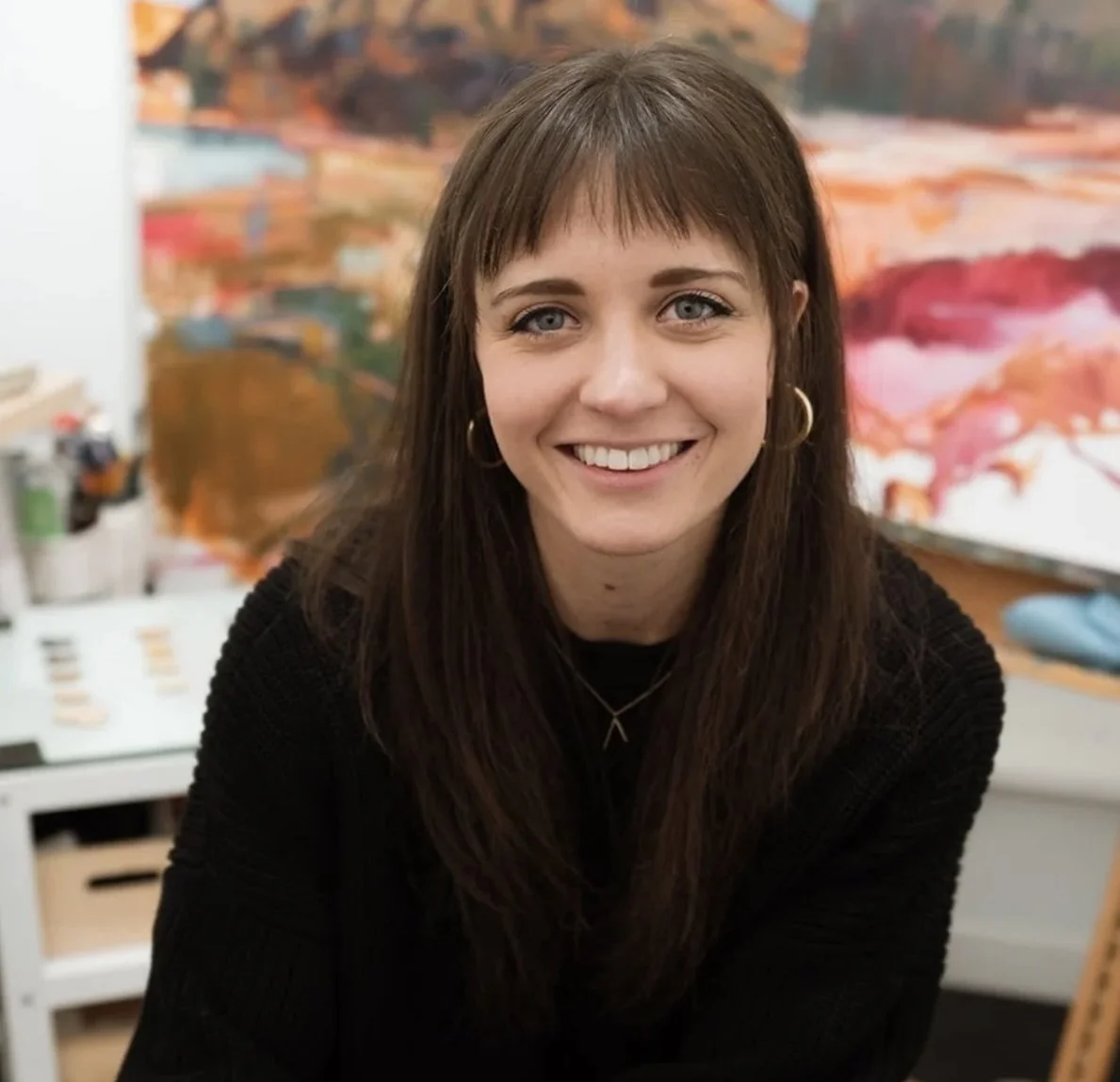
Lindsey Luna Tucker (b. 1990) is an artist based in Charlottesville, Virginia. She received her Bachelor of Fine Arts in 2017 from Georgia State University. Through an exaggeration of gesture and the manipulation of color and space, she uses the subject of landscape as a point of departure rather than one of arrival. Tucker’s abstract landscapes favor emotional truth over visual realism and invite viewers to challenge their understanding of certainty and absolutes. She has been awarded artist residencies with Lawayaka Current, Saint Gertrude’s Monastery, and Phaeton Gallery. She is represented by Camellia Art Gallery in Hilton Head, South Carolina. Her work is held in private collections throughout North America, Europe, and Australia.
Peg Shaw
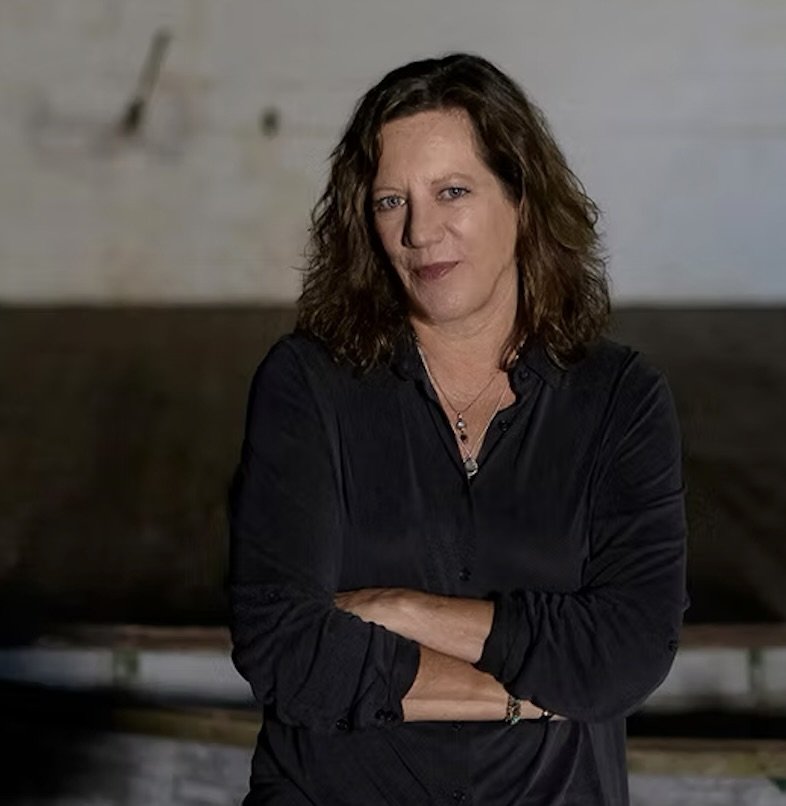
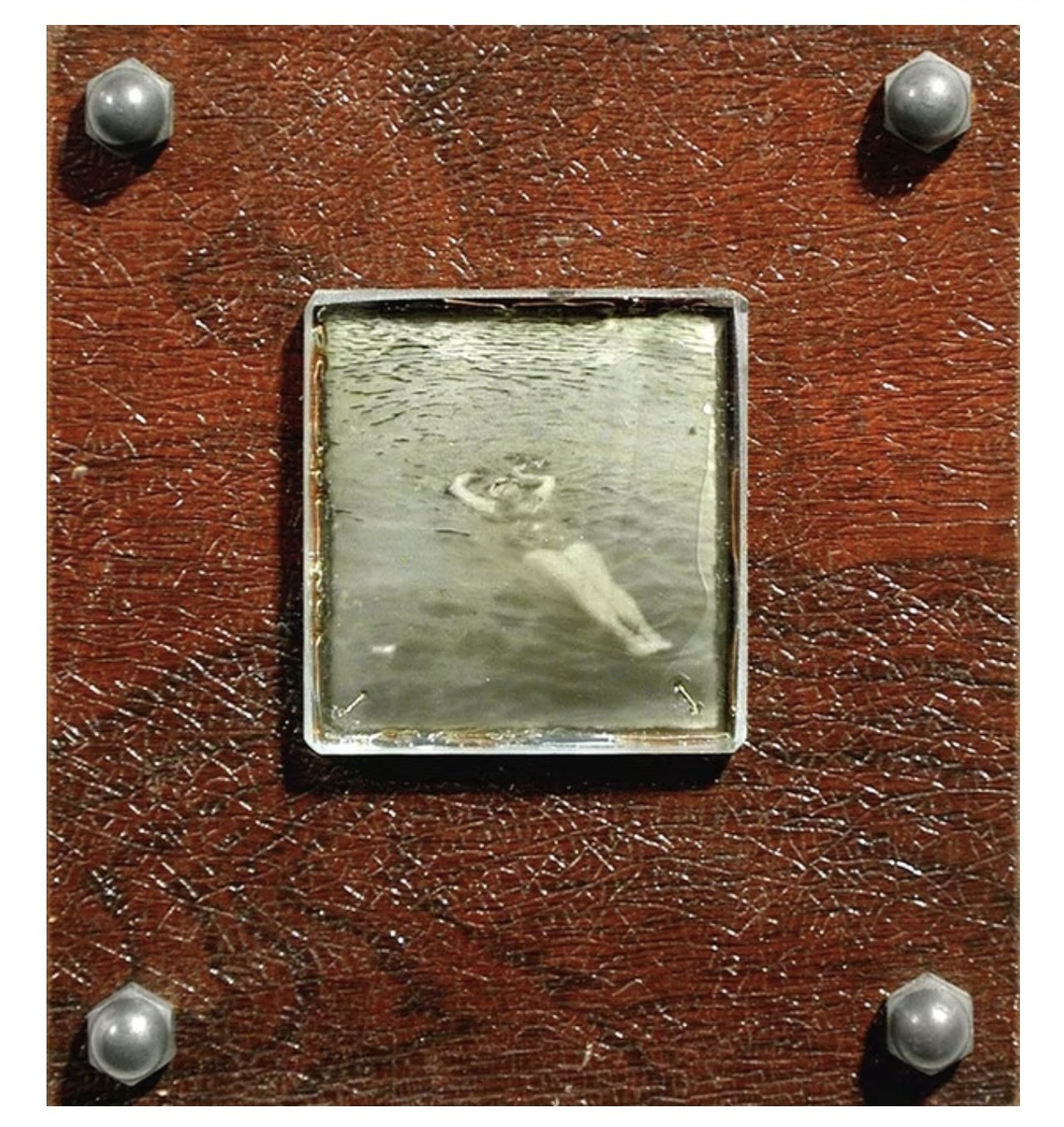
“I am an interdisciplinary artist incorporating video, sound, photography, and mixed media, often within layered, site-specific installations. Profoundly personal and politically aware, my work addresses how we connect across time and space, how we can be moved by an experience that isn’t ours, and how we come to care for people we will never know—‘floating on a membrane of what we have been given, hovering just below what we have to give.’ My work translates, reimagines, weaves, and layers concepts from family history, the memory of place, storytelling, and the filtered experience of living in a chaotic political time.
I live in the woods in a timber-frame home built by hand. My great-great-grandparents were friends with Abraham Lincoln. I still love my friends from junior high. I am a shy drummer who only makes noise in my basement.”
Born in Oak Park, Illinois, I received my Master of Fine Arts in Photography from the School of the Art Institute of Chicago and my Bachelor of Fine Arts in Painting from the University of Illinois, Urbana-Champaign. My work has been shown nationally, including in solo exhibitions in Chicago and New York, and has received numerous awards in both photography and video, including recognition from the Illinois Arts Council and Arts Midwest/NEA Regional.
I am a professor of photography and video at Parkland College in Champaign, Illinois, where I was awarded the 2016 Illinois Community College Trustees Association Outstanding Full-Time Faculty Award. I also recently received the 40 North Artist Ace Award.
Laura Wooten
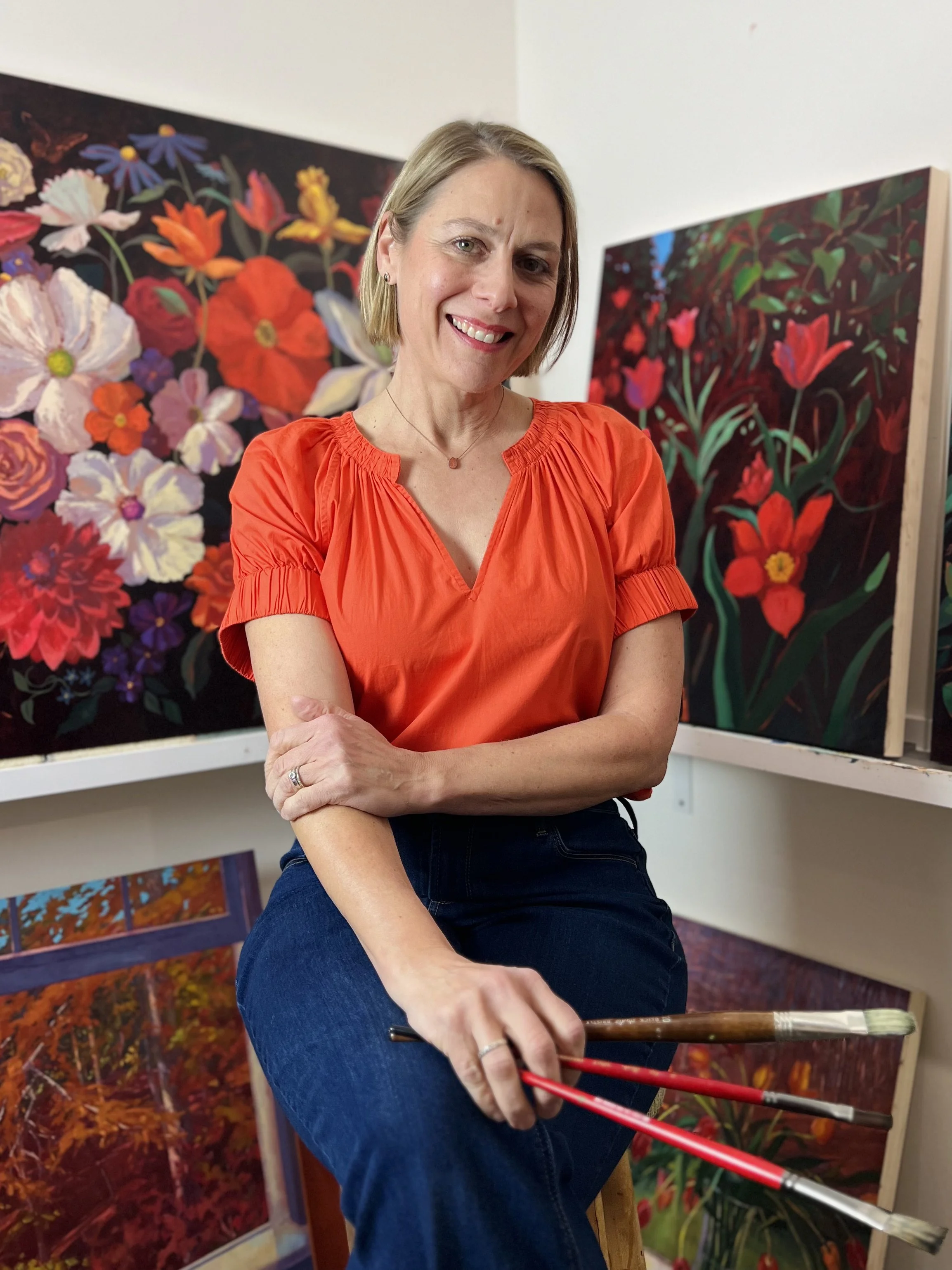
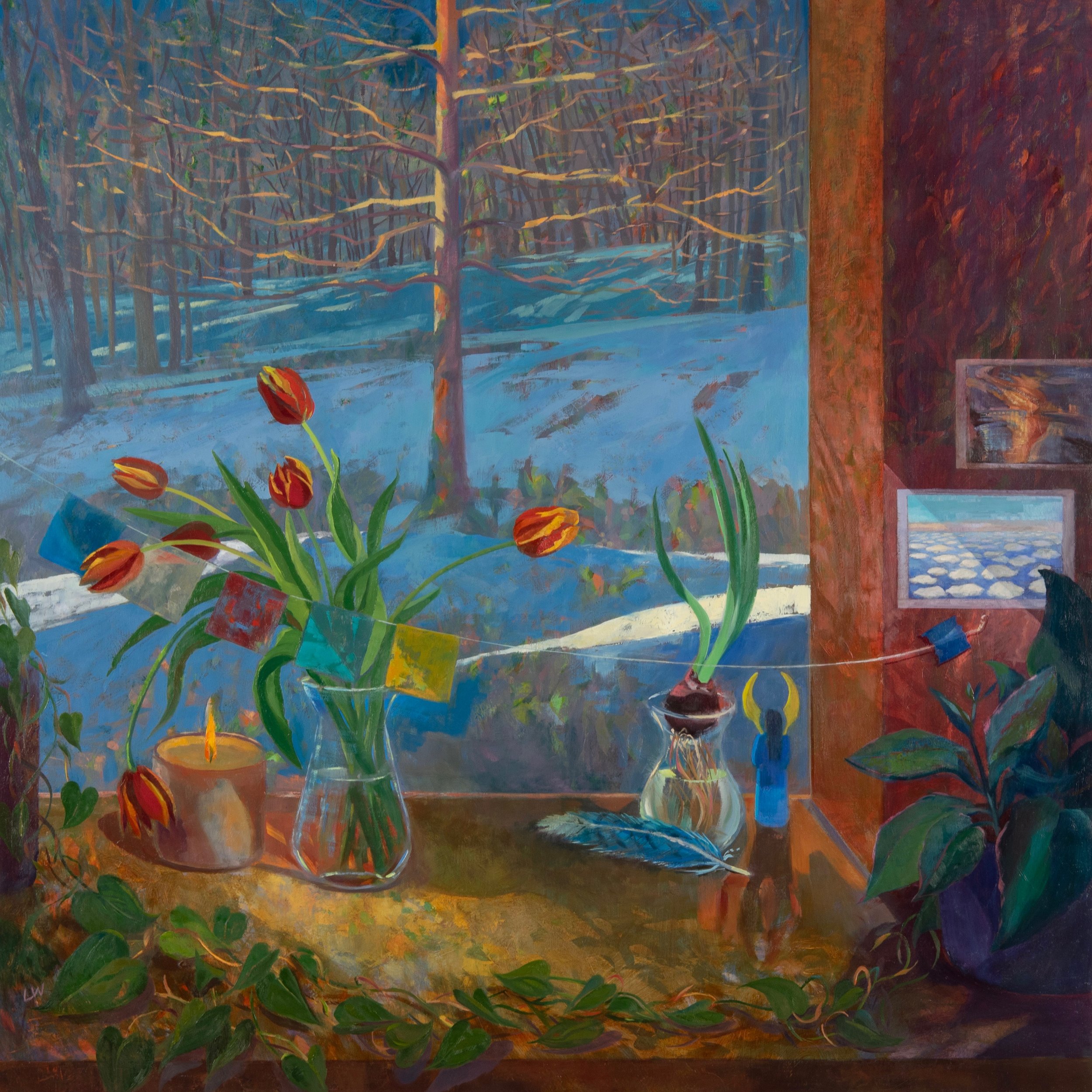
“My work reflects on a season of life when caring for my dying father was intertwined with the gradual letting go of my son, who was ready to leave the nest. Working over old paintings, the surfaces obscure and reveal layers of personal history as painter, mother, and daughter.
Flowers, plants, and family objects from generational timelines mingle on a window ledge, with a view of the ever-changing backyard. This liminal space provides a threshold from which to explore themes of holding and releasing, resistance and acceptance, absence and presence, grief and devotion, light as hope, and darkness as reverence.”
Through close observation of the natural world, with layers of memory and invention, Laura Wooten is a painter of nature, place, and personal history. She earned her undergraduate degree in Art and Architecture at the University of Virginia and continued at UVA as an Aunspaugh Post-Baccalaureate Fellow in Studio Art before earning her MFA from American University. Her paintings have been exhibited across the East Coast, including in juried exhibitions at the Baltimore Museum of Art, the Biggs Museum of American Art in Dover, and The Painting Center in New York City.
Laura has frequently exhibited in central Virginia, including at Chroma Projects, Second Street Gallery, Phaeton Gallery, and Steven Francis Fine Art. An avid teacher, she has served as a guest lecturer in fine art and design at UVA and leads perceptual painting workshops through The Painting School at Phaeton Gallery in Charlottesville, Virginia.